Old HVAC Disconnect Swapped Before It Caused Real Trouble
Most people never think about the disconnect box on the side of their house - until their AC stops working on the hottest day of the year. That little box is what allows power to be safely cut to your HVAC unit, and when it starts to wear out, it can cause all kinds of headaches. Intermittent shutdowns, tripped breakers, even full system failures.
Here's the thing - the HVAC system itself often gets the blame when the real culprit is a worn-out electrical component feeding it power. We see it all the time. A unit that's otherwise in great shape starts acting up, and after a quick look, the disconnect is the problem. Corroded contacts, a housing that's seen better days, a pull-out that no longer makes solid contact.
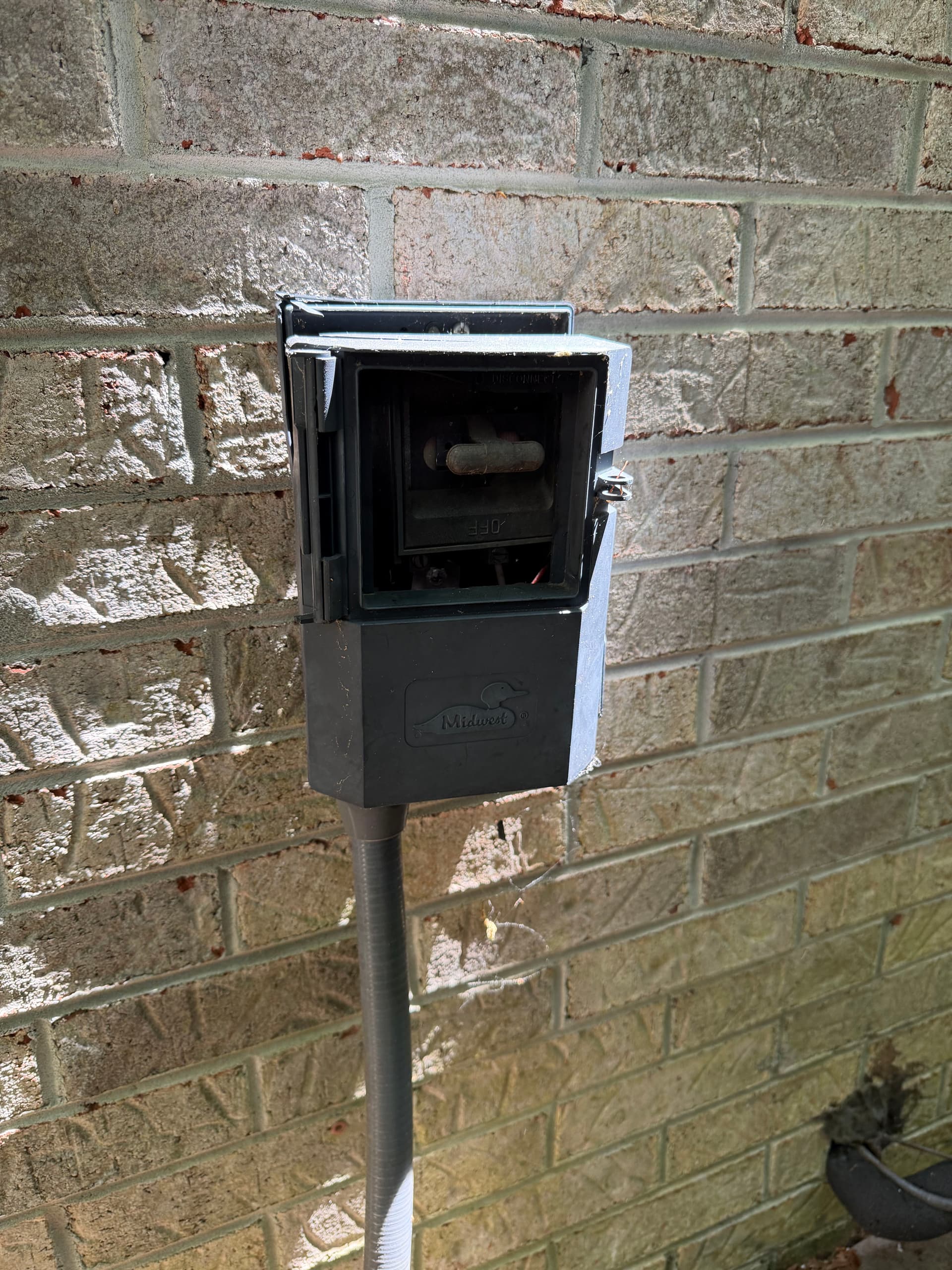
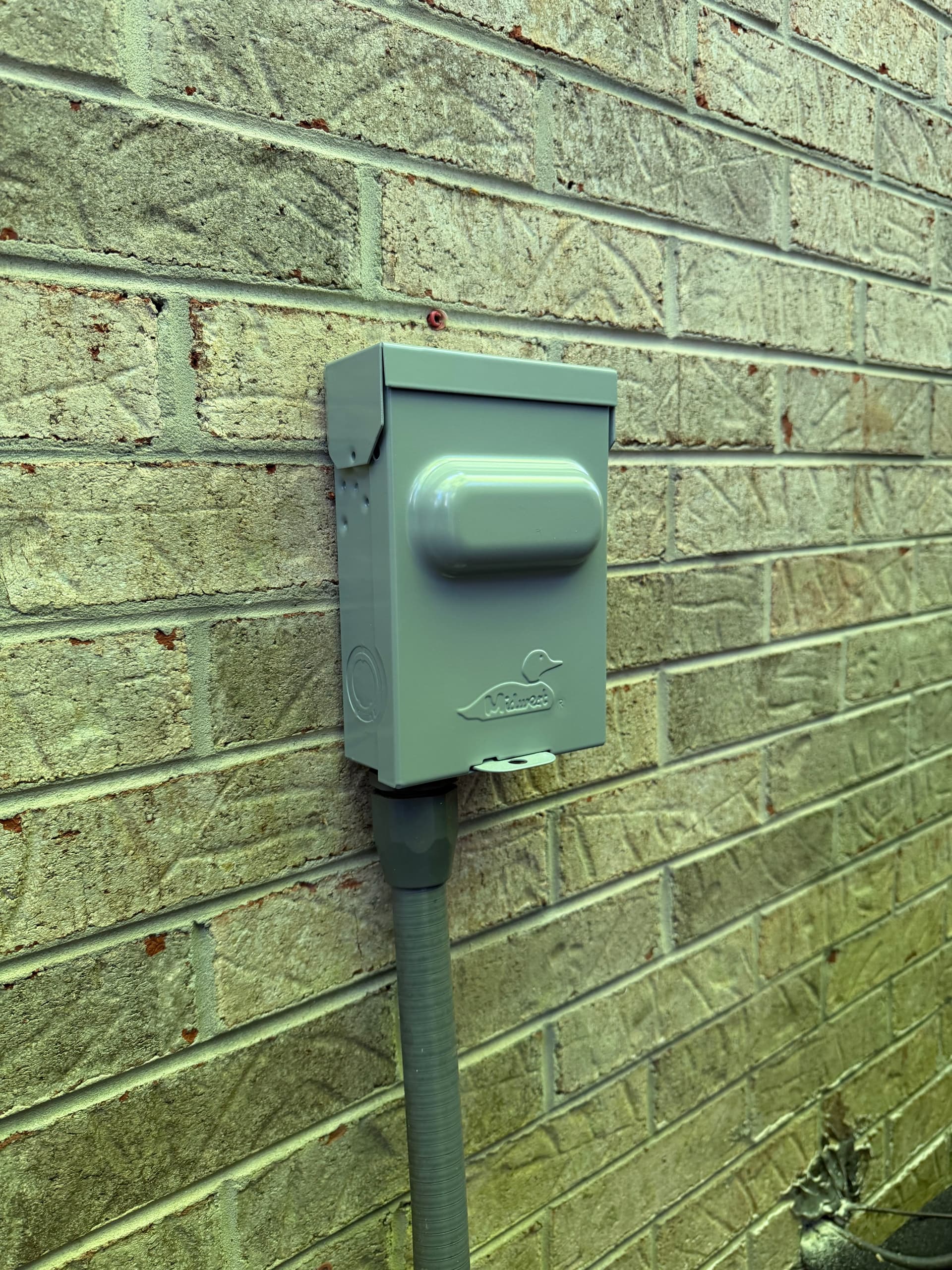
What we did here was straightforward - swap out the old, degraded disconnect for a clean, properly rated replacement. The before tells the story pretty clearly. The housing was cracked and the interior showed the kind of wear that puts unnecessary strain on the whole system. The new unit is solid, properly seated, and sealed up the way an outdoor electrical component should be.
This is exactly the kind of outlet switch installation work that gets overlooked. It's not flashy, but it matters. A bad disconnect can shorten the life of your compressor, cause your system to run inefficiently, or trip your breaker repeatedly - none of which are cheap problems to ignore. Catching it early is almost always the better play.
If your HVAC has been acting up and nobody can figure out why, it might be worth having someone take a look at the electrical side of things, not just the unit itself. Small components cause big problems when they're left too long.